
Sport Fishing in the Andaman Islands
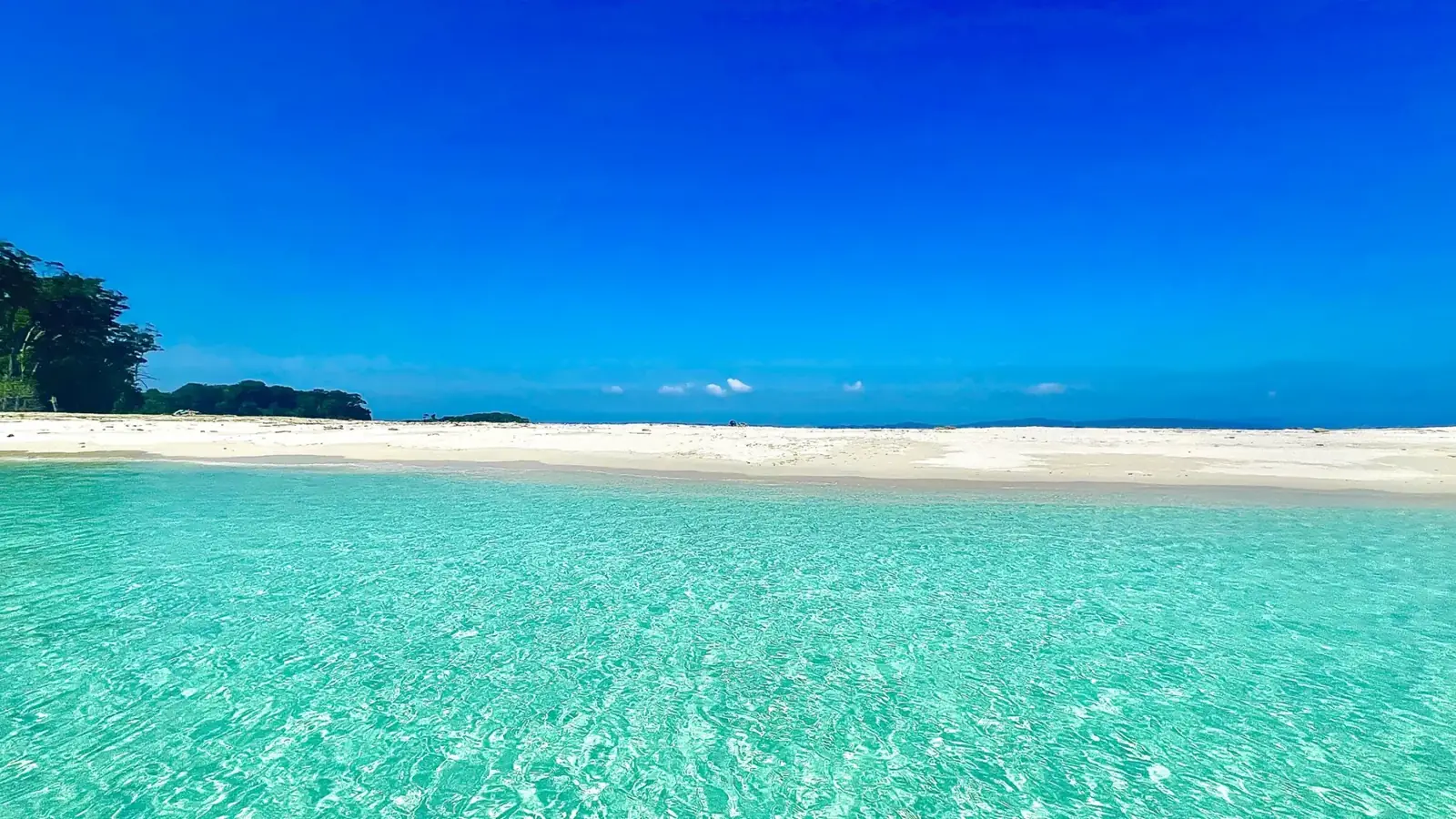
Sport fishing in the Andaman Islands is fishing for the challenge — finding, hooking, fighting and releasing some of the strongest fish in the Indian Ocean on lures and balanced tackle. The reefs, channels and drop-offs around the islands hold giant trevally, dogtooth and yellowfin tuna, amberjack, barracuda, grouper, snapper and coral trout. For many anglers it is not only about the catch; it is time at sea, exploring less-visited waters and learning how fish behave around reefs, drop-offs, channels and deeper offshore grounds.
What is Sport Fishing?
Sport fishing — also called recreational or game fishing — uses specialised tackle and techniques to target powerful fish for the experience, not for food. The focus is on skill: reading the water, choosing the right lure, making the cast and winning a fair fight, then releasing the fish to fight again.
These fish are far stronger than everyday tackle, so anglers learn to use the rod, reel, line and drag properly. In the tropical waters of the Andamans, sport fishing means popping, jigging, casting and trolling with artificial lures. It can be physically demanding, especially on big fish in deep water or around reefs.
 See the fish we target
Why the Andaman Islands Attract Anglers
The geography creates an extraordinary range of habitats — shallow coral reefs, rocky areas, channels, steep reef edges, deep offshore water and underwater structure — each attracting different species. Predators follow baitfish and smaller reef fish, and tides, currents and water conditions shift where they feed.
That is why one trip can use several techniques: a day may begin trolling open water, move to casting lures along a reef and end dropping jigs into deep water.
 Our fishing experiences
Best Time for Sport Fishing
The main season runs from October to May, but conditions change considerably through it — weather, wind, sea state, tides, currents and fish activity all shape a fishing day. The best day cannot be read from the calendar alone; local sea conditions and fish activity matter just as much.
October – November
The start of the main season. Sea conditions vary, but reef and offshore species are on when the weather allows.
December – February
Suitable weather windows, though never guaranteed. A busy tourism period — book boats and lodges well in advance.
March – May
The later season offers excellent offshore fishing: tuna and other pelagics become key targets while popping and jigging continue on the reefs.
Where We Fish
From the home waters off Port Blair to the far outer banks, each ground fishes differently.
Cinque Islands
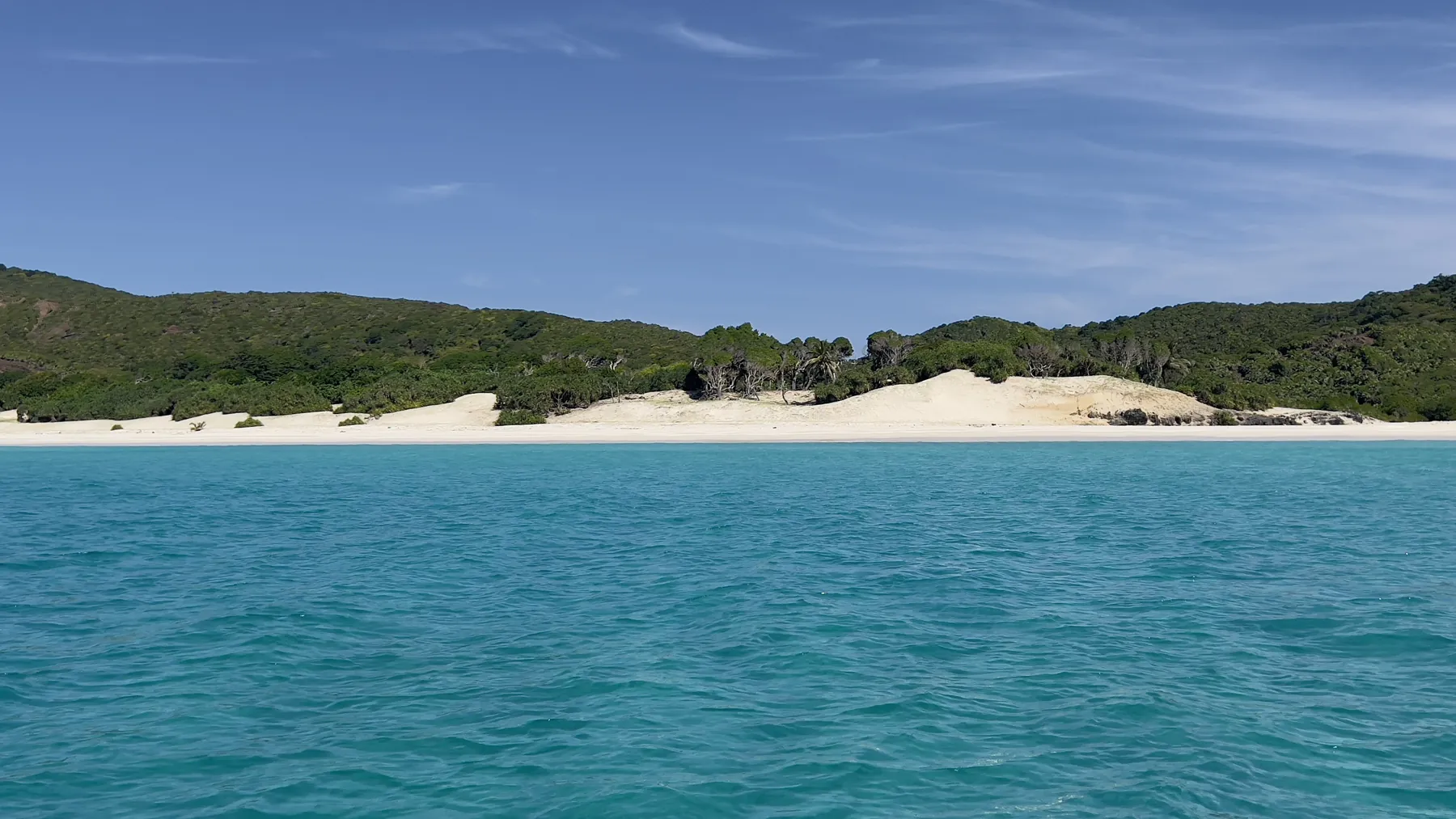
Ringed by coral reefs and shallow coastal water. Popping, jigging and trolling for reef predators — trevally, grouper, snapper and barracuda around structure.
Explore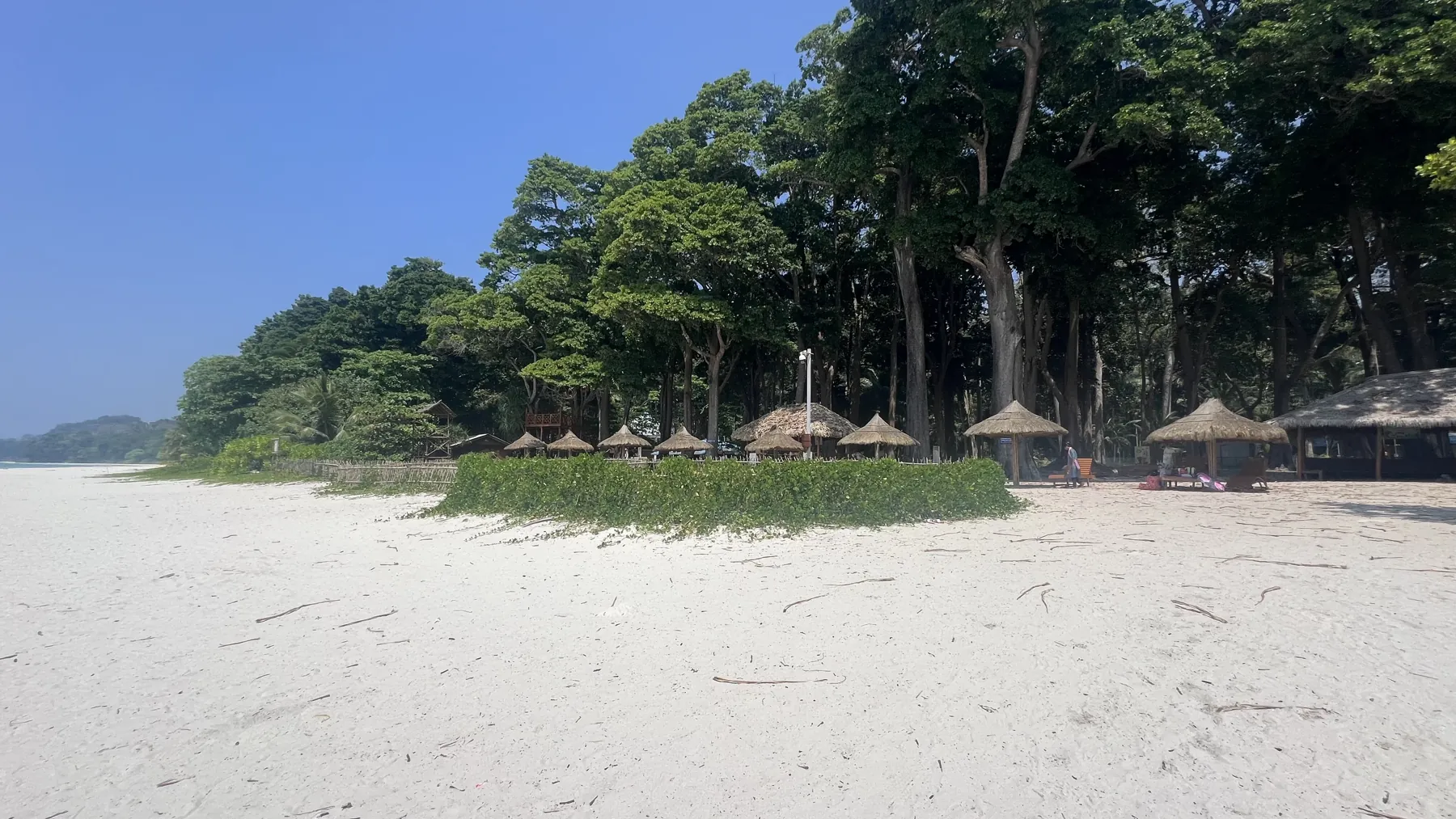
Havelock (Swaraj Dweep)
Coral reefs, deep channels and offshore water around the most visited island. GT, tuna, barracuda, trevally, grouper, snapper, amberjack and mackerel — easily combined with an island holiday.
Explore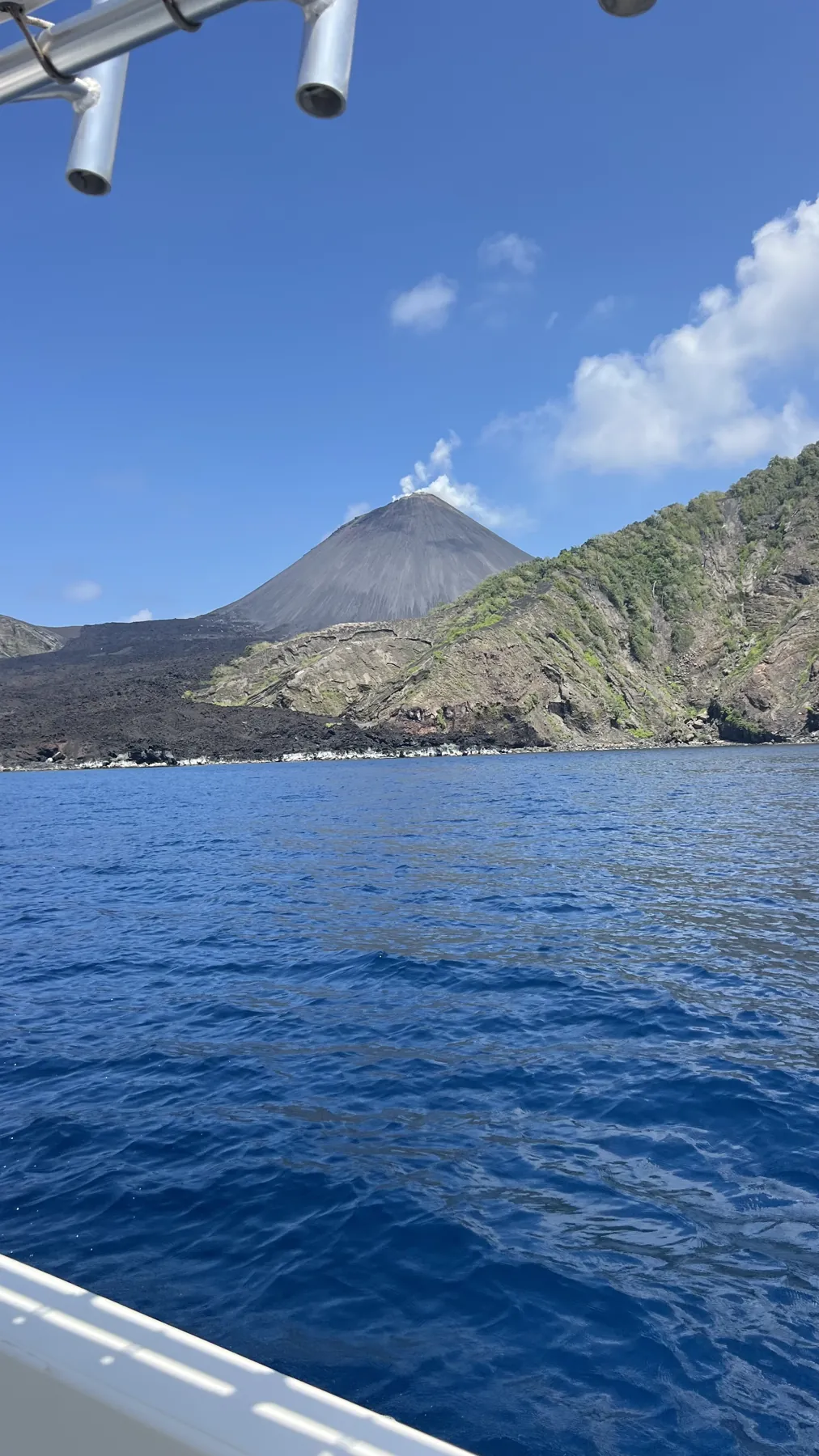
Barren Islands
Several grounds reached quickly from Port Blair: shallow reefs, deep water and offshore banks. Suits short trips and full days — light tackle, trolling, popping and deep jigging.
Explore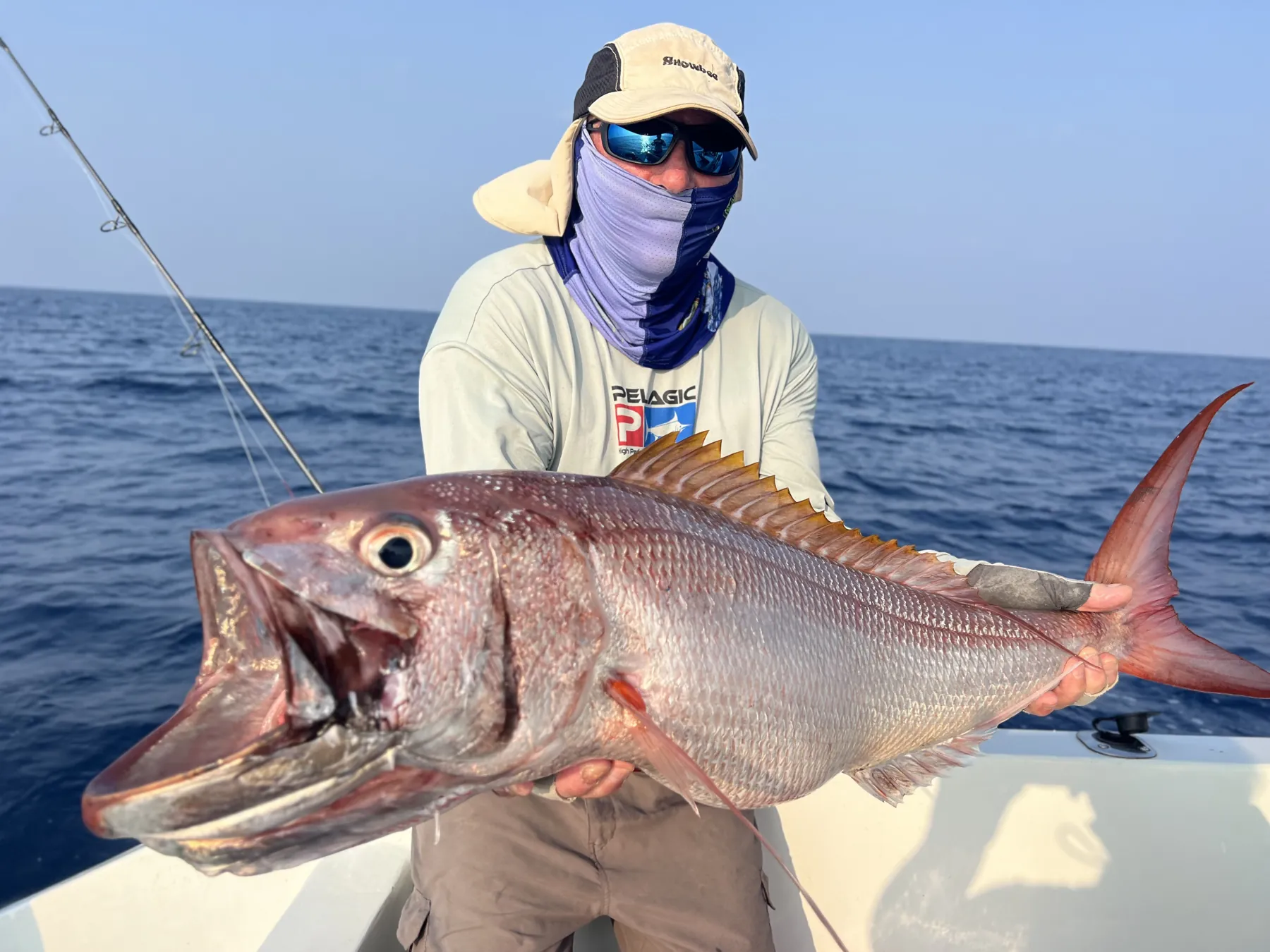
Little Andaman
Offshore banks, deep reefs and far-flung areas that require longer runs and careful planning. Weather is critical this far from shelter — and the remoteness is the attraction.
ExploreFish Found in Andaman Waters
Which fish you meet depends on location, depth, season, weather, currents and bait. These are the headline species.
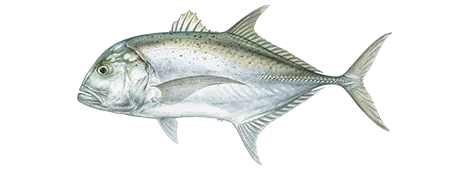
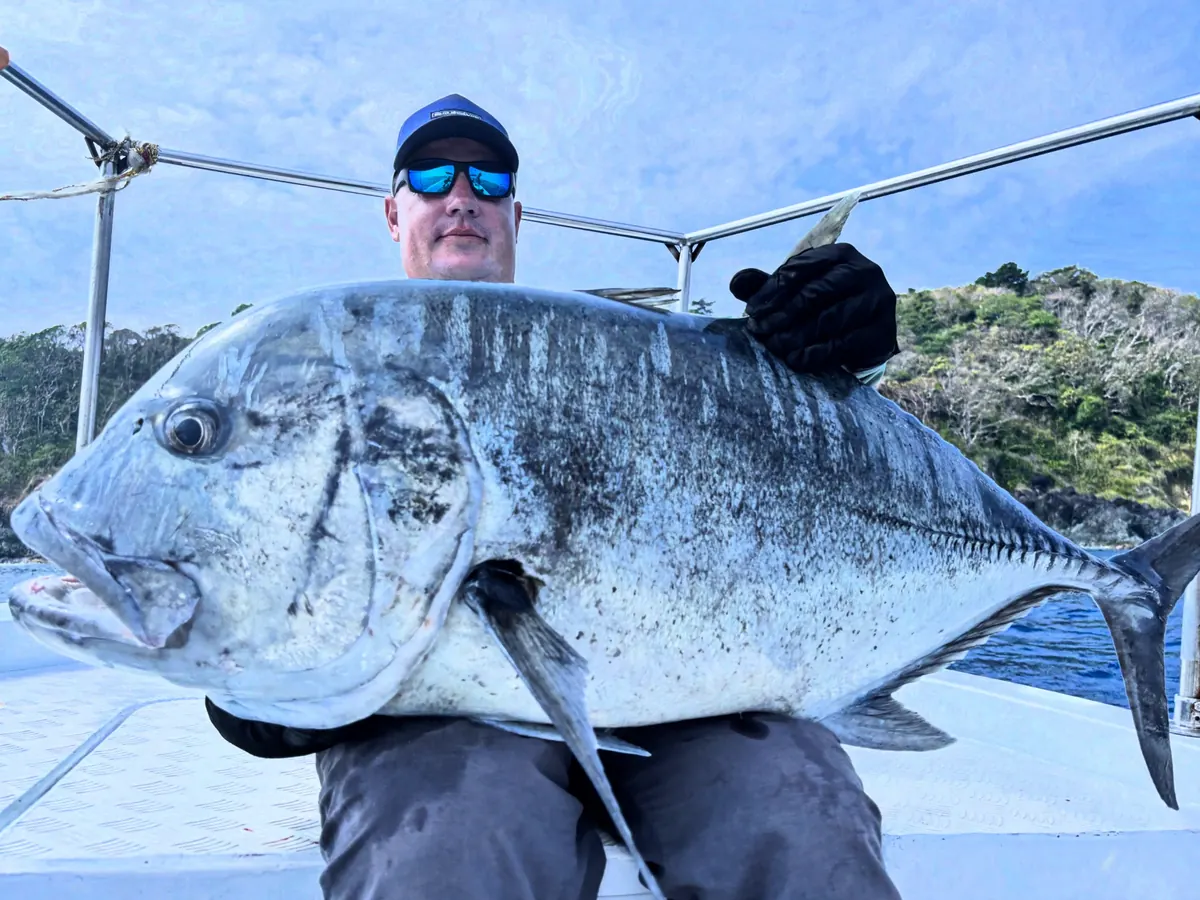
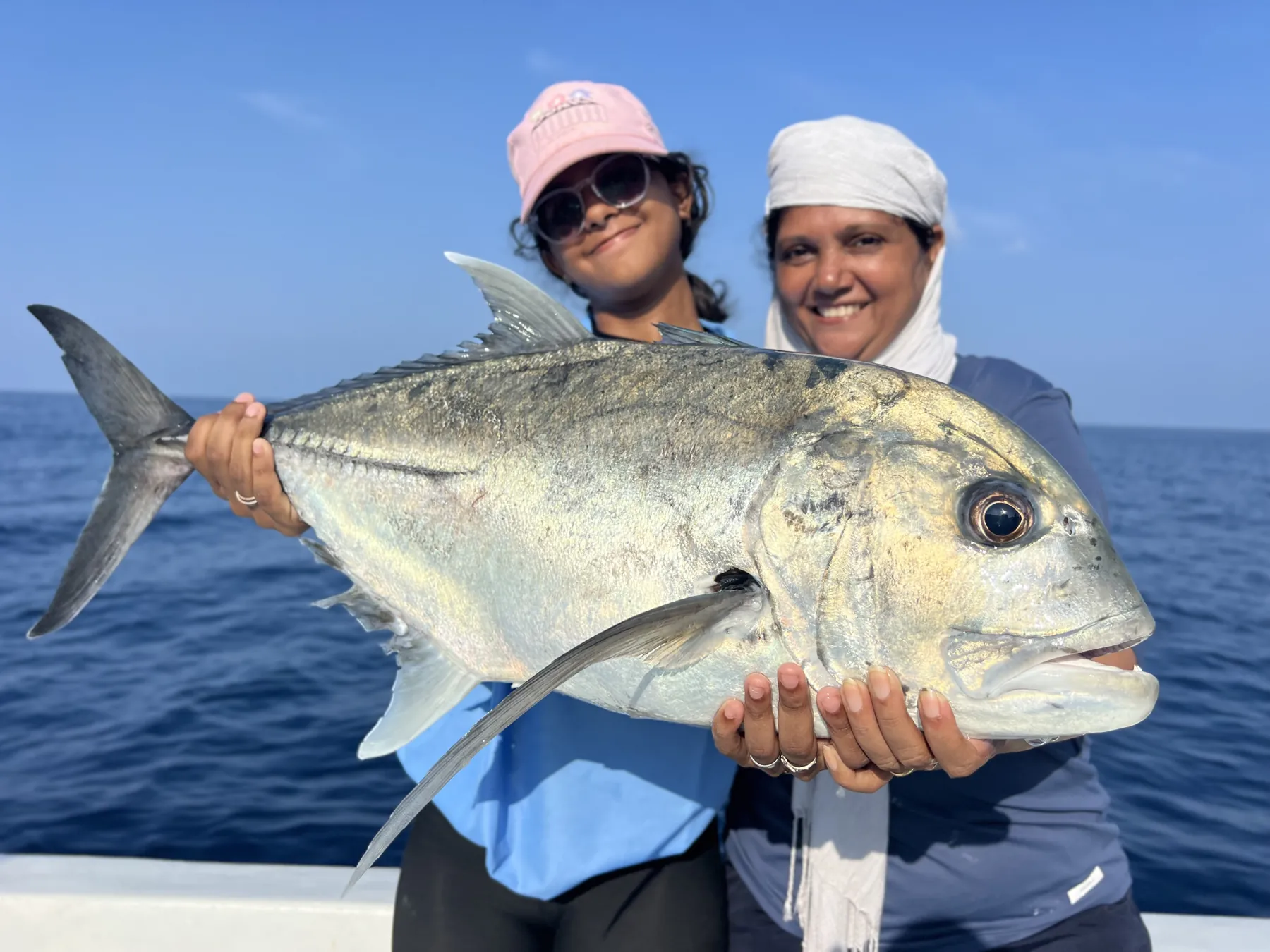
Giant Trevally
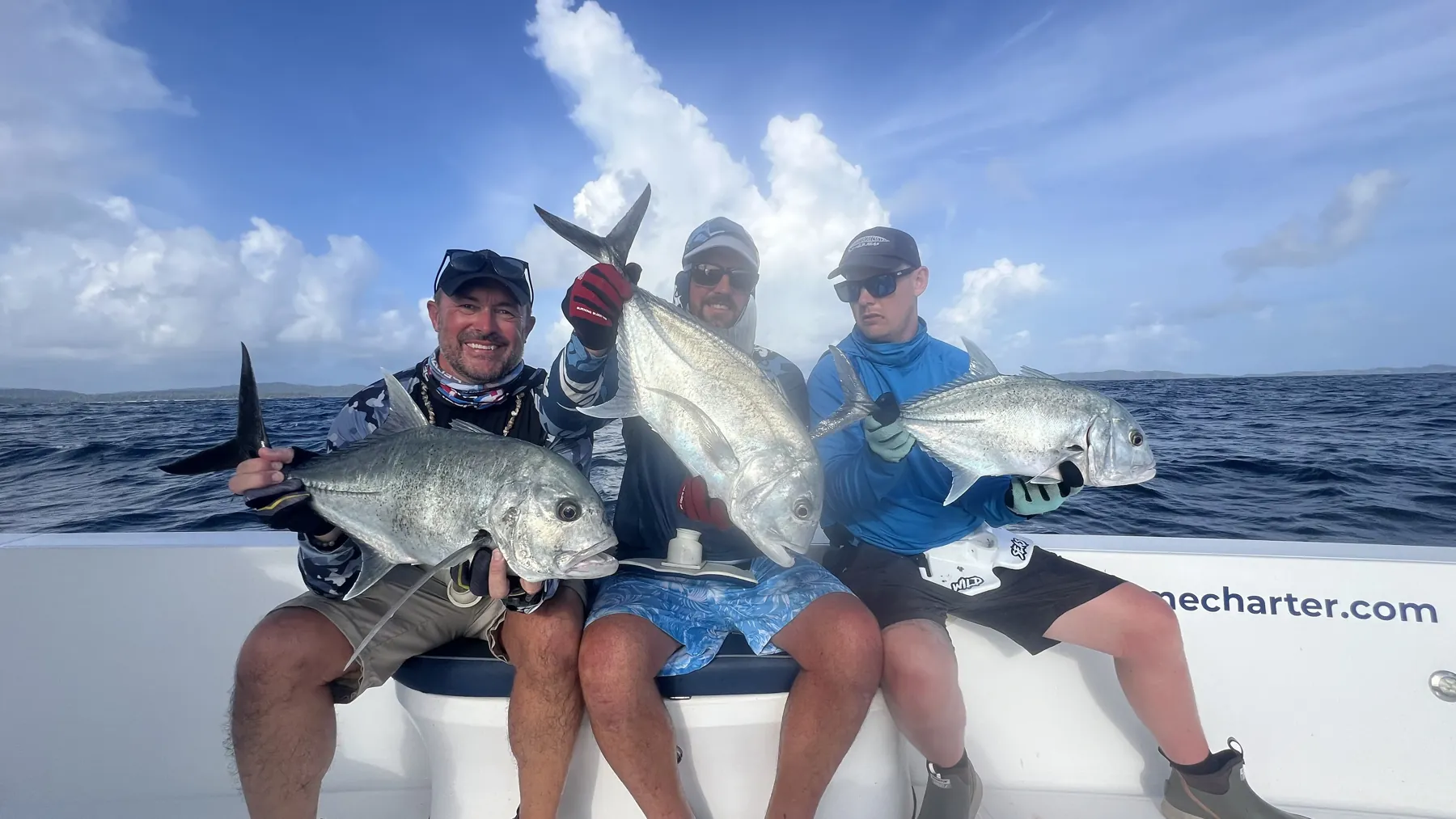
The most sought-after reef predator. Lives around reefs, rocks and structure; popping a big surface lure near structure brings strikes that are extremely fast and powerful.
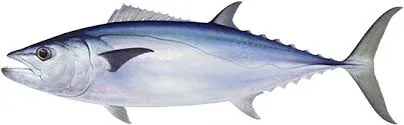
Dogtooth Tuna
Powerful predators of reefs and deep structure, loved by heavy jiggers. The challenge is keeping the fish away from the reef in the first seconds.
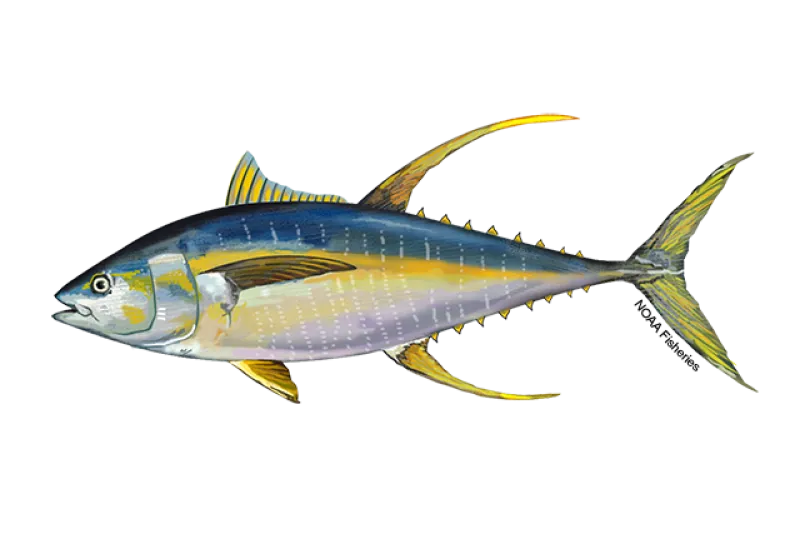
Yellowfin Tuna
Among the fastest fish offshore, making long, powerful runs. Taken trolling and jigging wherever they are feeding.
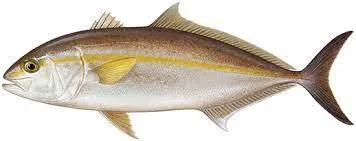
Amberjack
Deep-reef bruisers usually taken on jigs. A strong run for deep water or structure makes the fight demanding even on heavy tackle.
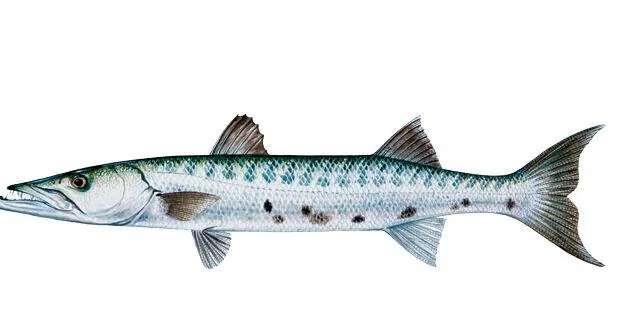
Barracuda
Long bodies, sharp teeth and fast, aggressive strikes on a range of lures around reefs and offshore.
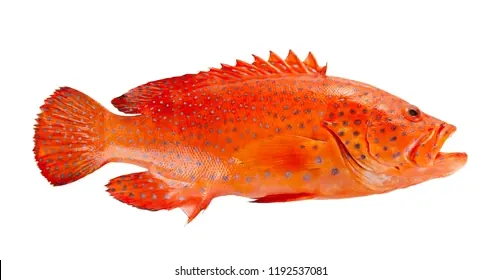
Grouper, Snapper & Coral Trout
Reef dwellers taken on jigs and reef tactics. They dive for shelter, so the fish must be controlled quickly after the hook-up.
Fishing Techniques Used in the Andamans
The method depends on species, depth, weather, current and location — and often changes several times in a day.
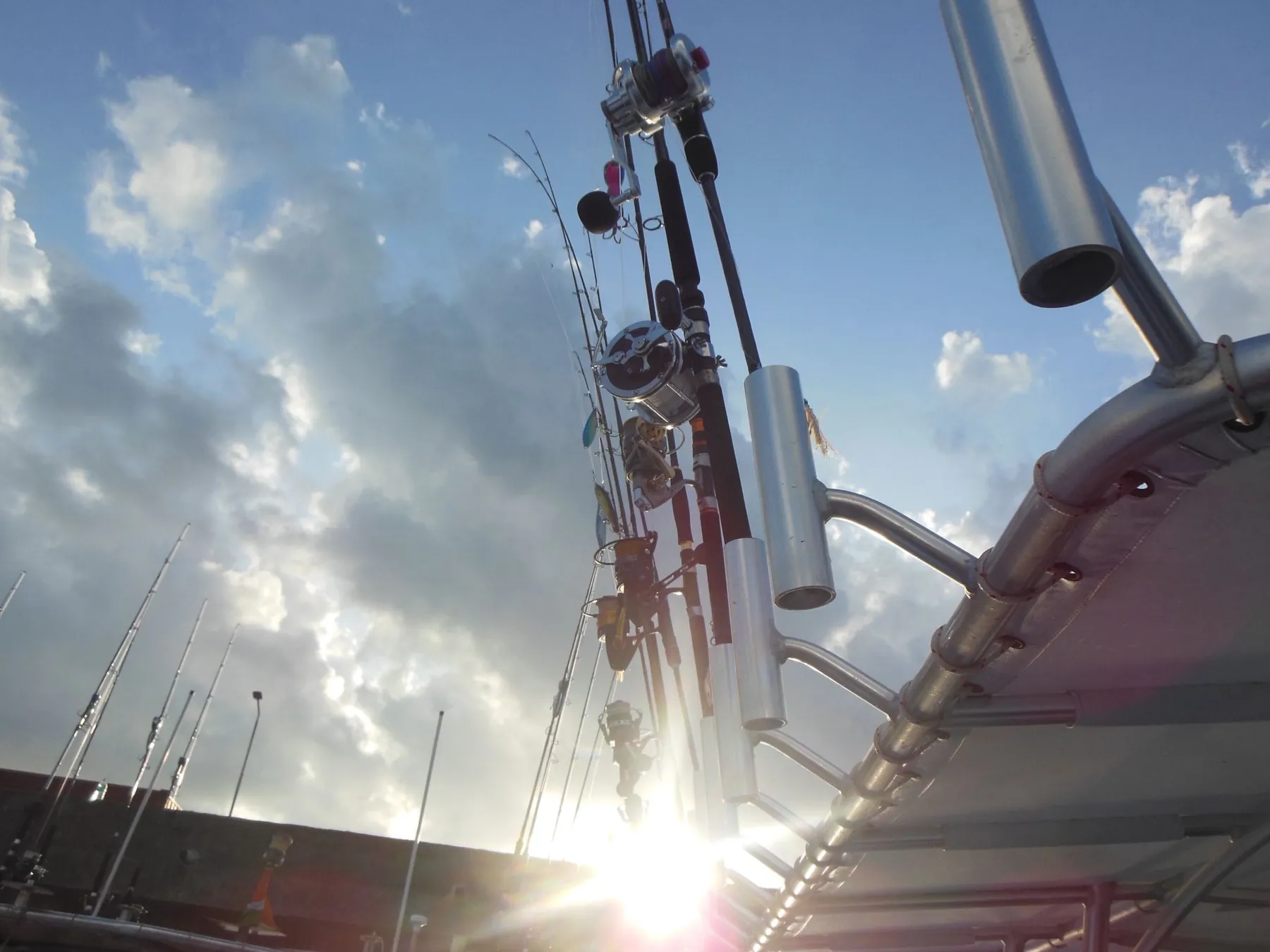
Trolling
Towing lures or bait behind the moving boat to search open water for tuna, wahoo, mackerel, barracuda and other pelagics — covering ground while reading the signs.
Explore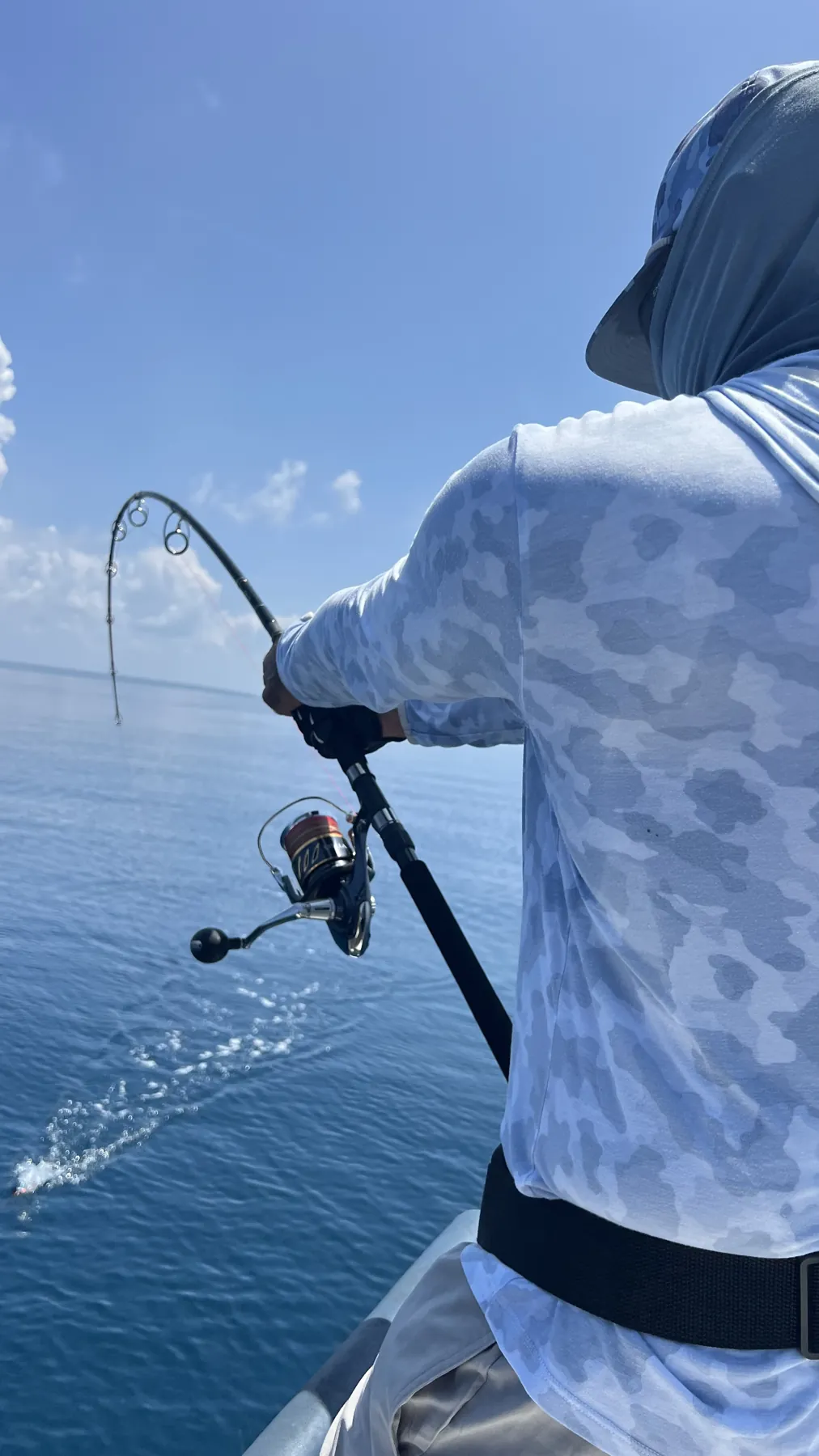
Popping
Casting large floating poppers at reefs and rocks and retrieving with noise and splash. Watching a big fish smash a surface lure is why popping became famous.
Explore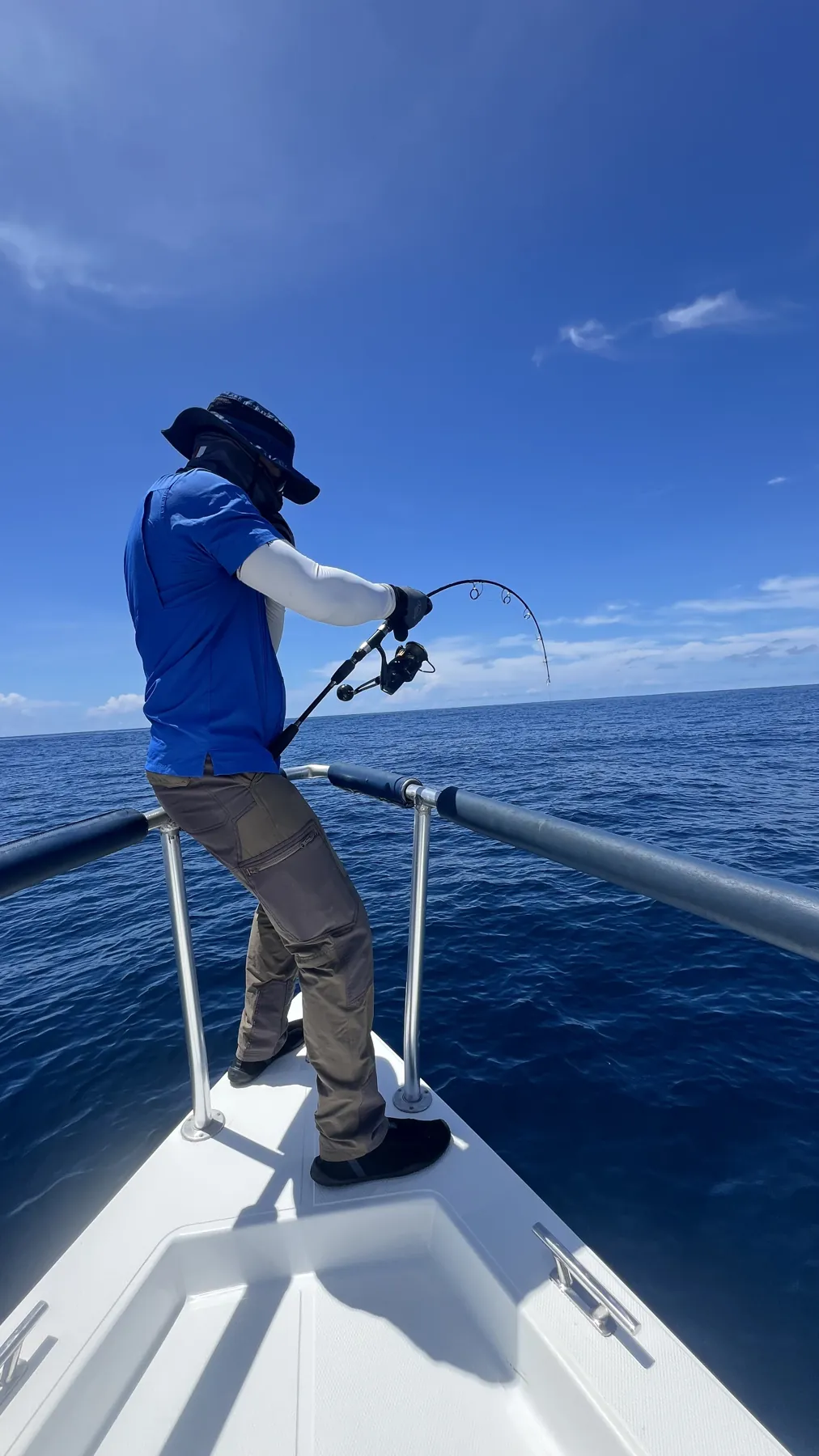
Jigging
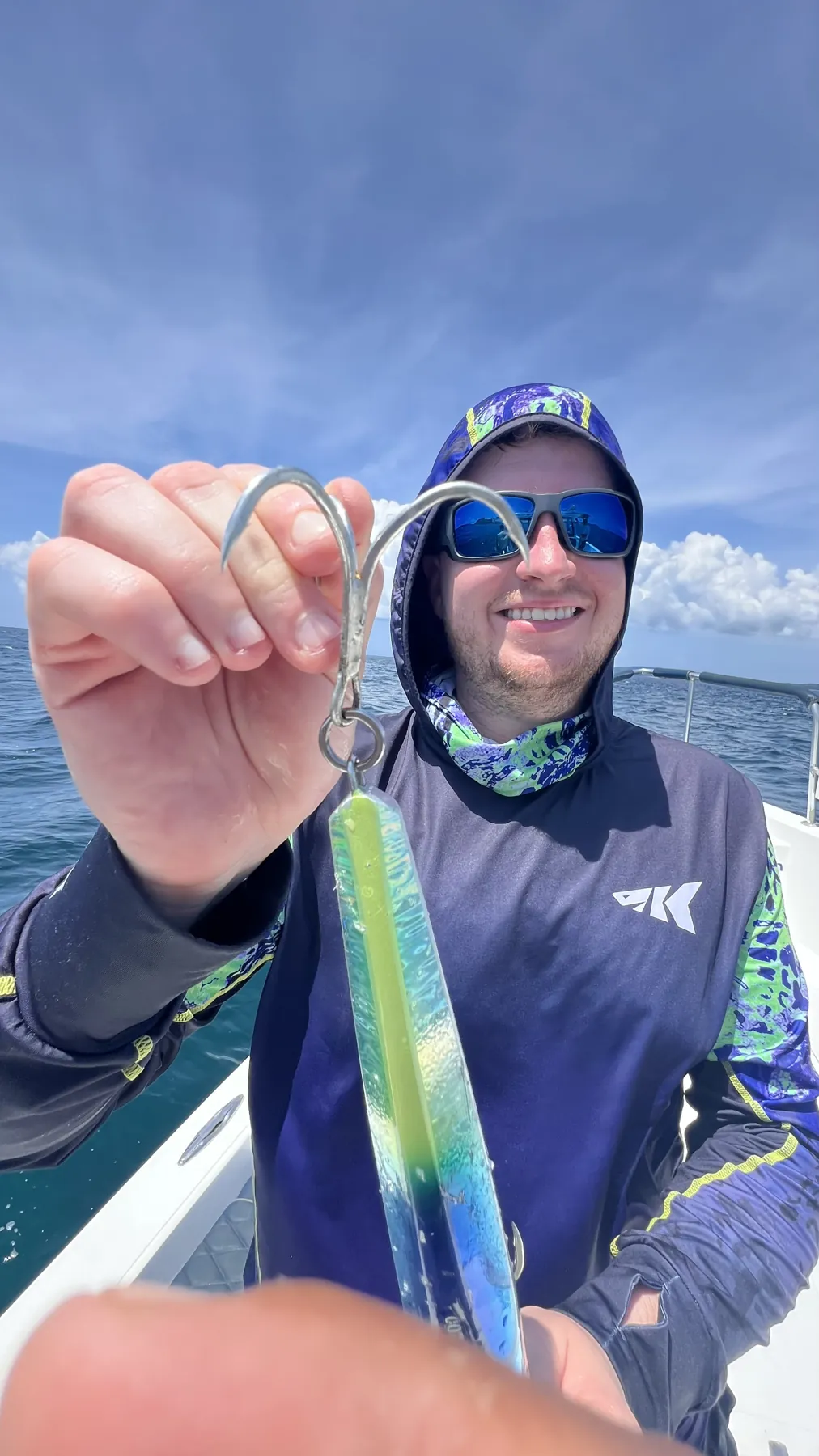
Dropping weighted metal jigs into deep water and working them vertically for amberjack, dogtooth, grouper, snapper and trevally. Physically demanding at depth.
Explore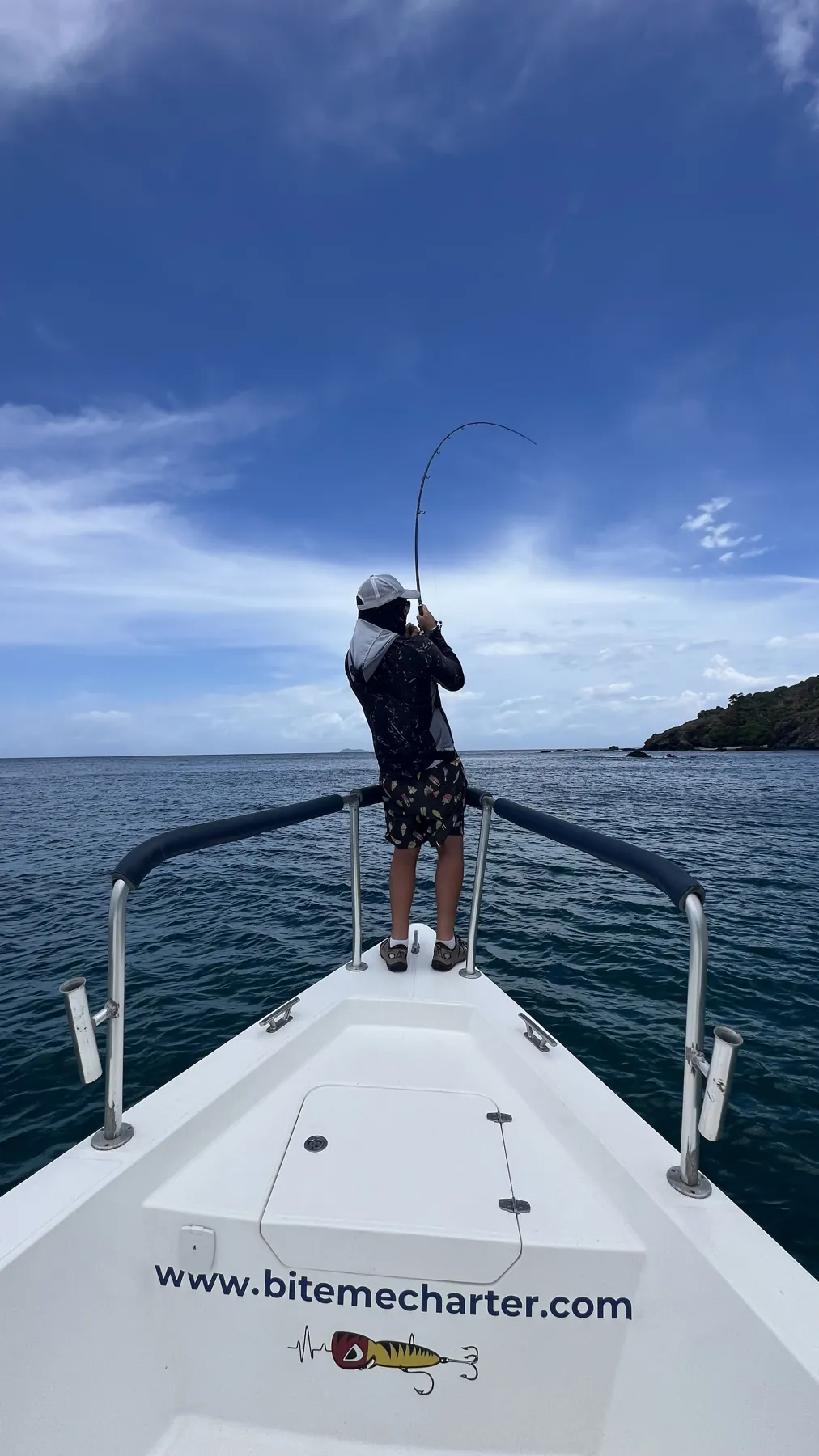
Light-Tackle Fishing
Lighter rods, reels and lines for smaller reef predators — surprisingly challenging, and ideal for beginners before moving to heavy offshore gear.
ExploreFishing Gear
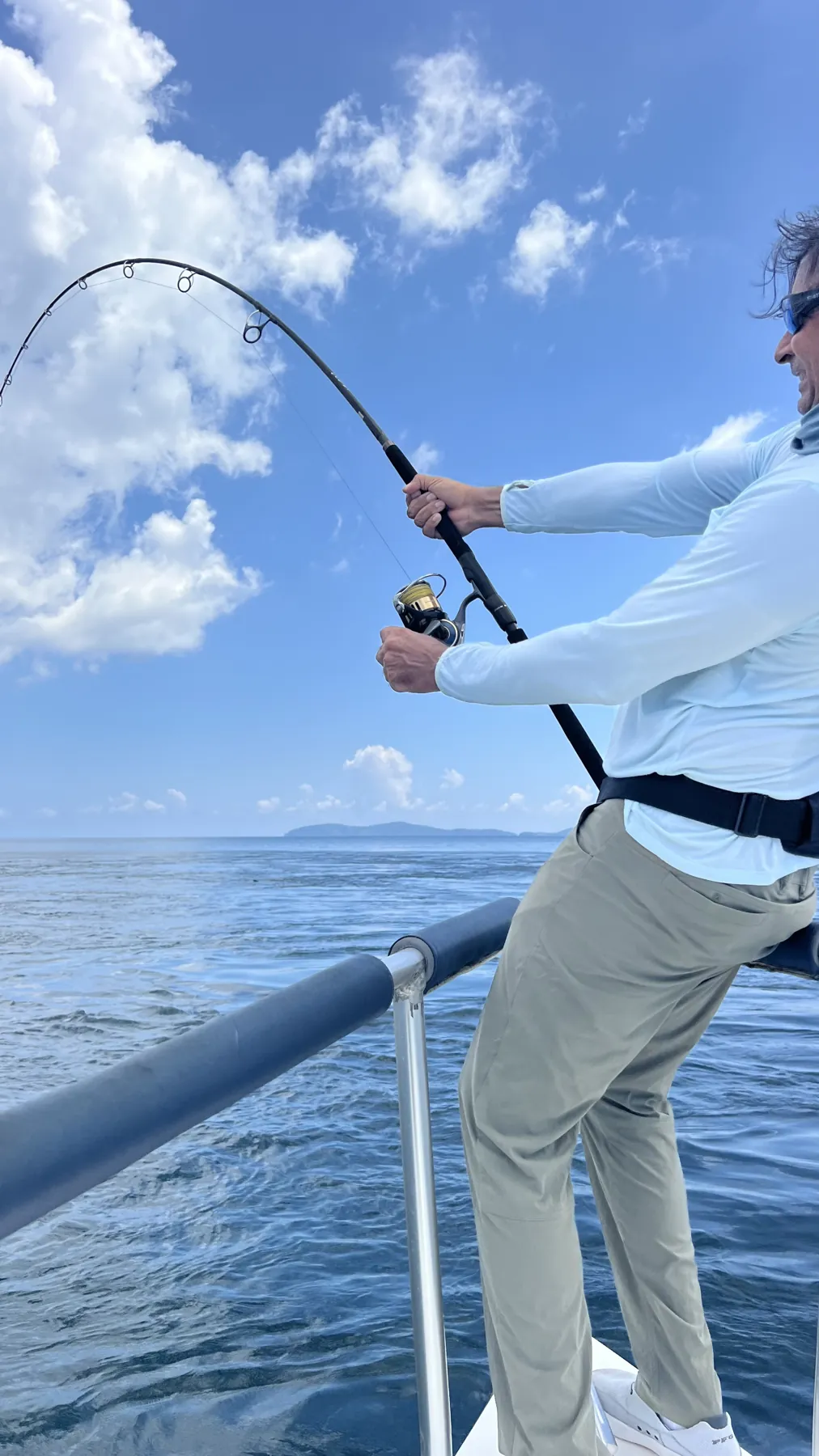
The right equipment depends on technique and target. Heavy tackle for big fish around reefs and deep structure; lighter outfits for smaller reef species. Our guides help you choose — and all gear is supplied onboard.
- Fishing rod
- Spinning or conventional reel
- Main line
- Leader
- Hooks
- Artificial lures
- Poppers
- Jigs
- Trolling lures
- Terminal tackle
 Recommended tackle by technique
Can Beginners Go Sport Fishing?
Yes. Sport fishing is not limited to experts — beginners fish with guidance from an experienced crew and learn casting, lure retrieval, jigging and how to fight a fish safely.
Offshore fishing can be physically demanding: strong sun, heat, humidity, waves and long periods standing or holding tackle. A basic level of fitness makes the day more comfortable.
 Half Day Out — the perfect first trip
The Importance of Local Knowledge
Fishing unfamiliar water is hard. Our crews know the reefs, channels, weather patterns, tides, currents and seasonal fish movements — and which techniques suit which grounds. It does not guarantee a catch, but it makes far better use of your time on the water. Fishing stays unpredictable; even the best crew cannot control when a fish will feed.
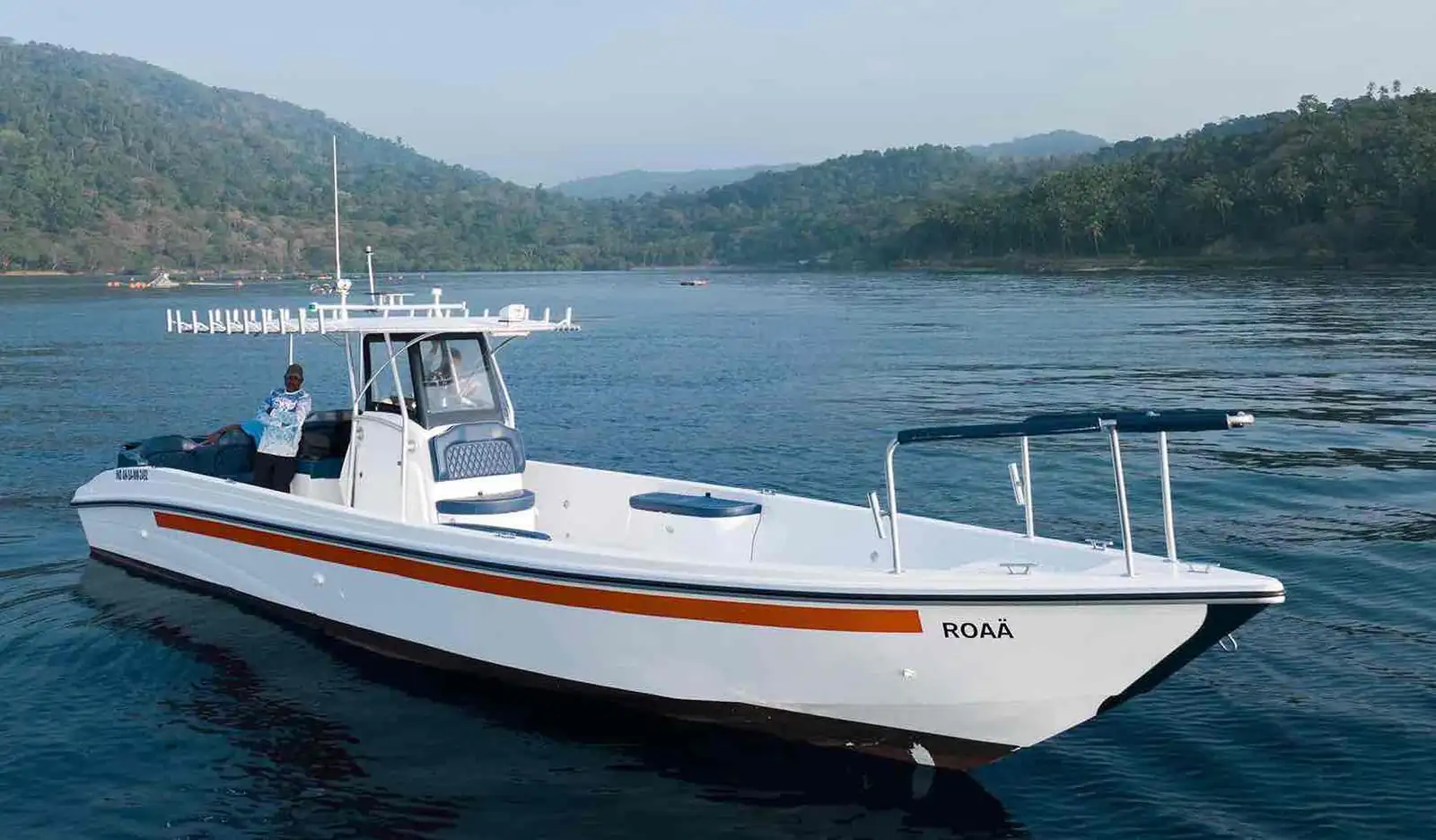 Meet the team & our boats
Responsible Fishing & Catch and Release
The marine environment around the islands is valuable and must be protected. We practise catch and release — especially for large breeding fish and species not intended for the table — handle fish carefully, return them quickly, protect the coral and never leave line, plastic or hooks in the sea.
- Use appropriate tackle
- Avoid prolonged fights where possible
- Handle fish carefully and support large fish properly
- Keep fish out of the water for the shortest practical time
- Remove hooks carefully
- Return the fish to the water safely
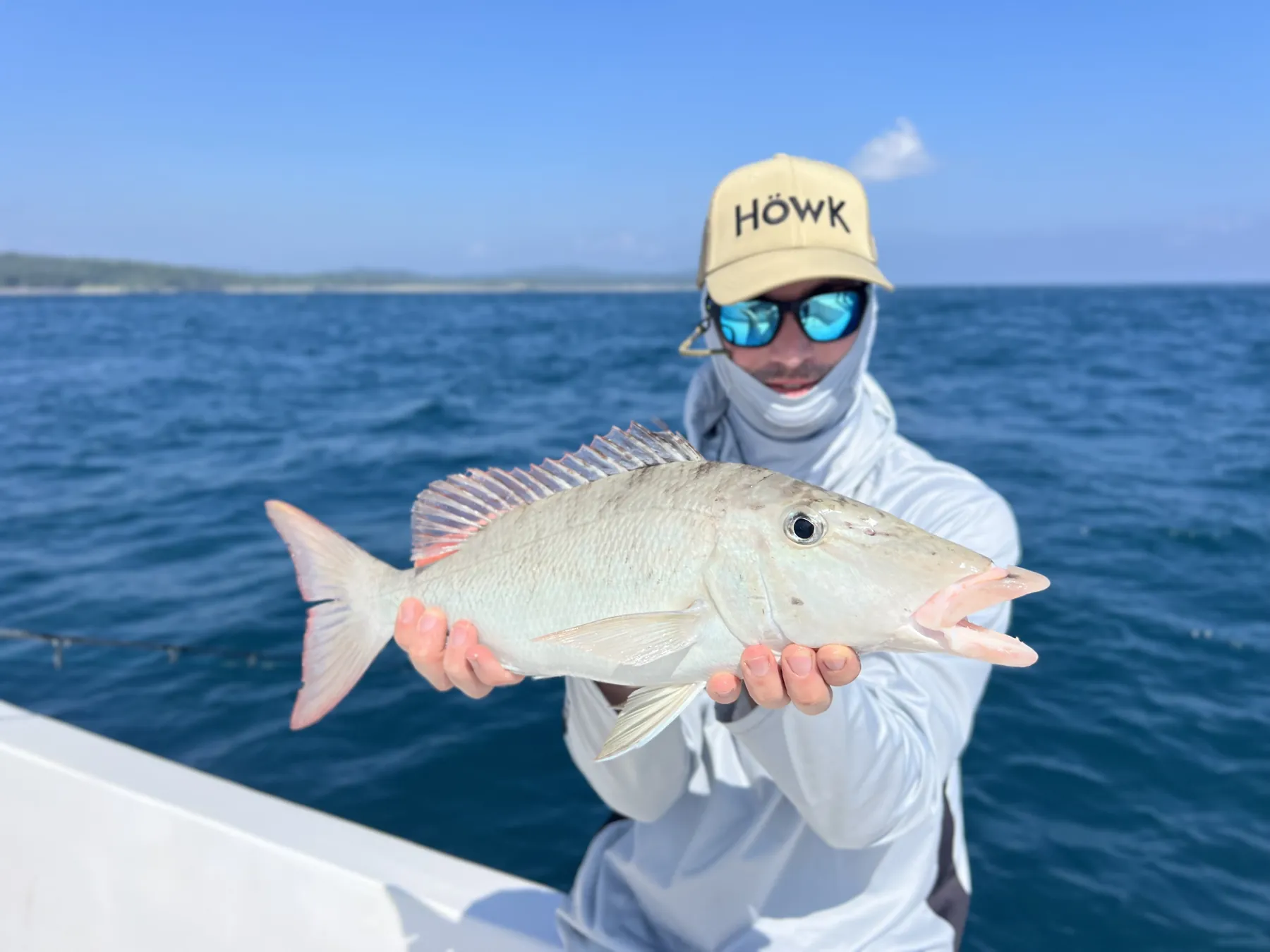 Our conservation commitments
Safety at Sea
Weather changes quickly in tropical waters, so a trip may be delayed, shortened, moved or cancelled — decisions made with the safety of guests and crew first. Before every departure we check:
- Weather forecasts
- Wind speed
- Wave conditions
- Tides
- Vessel condition
- Fuel requirements
- Navigation
- Communication equipment
- Emergency equipment
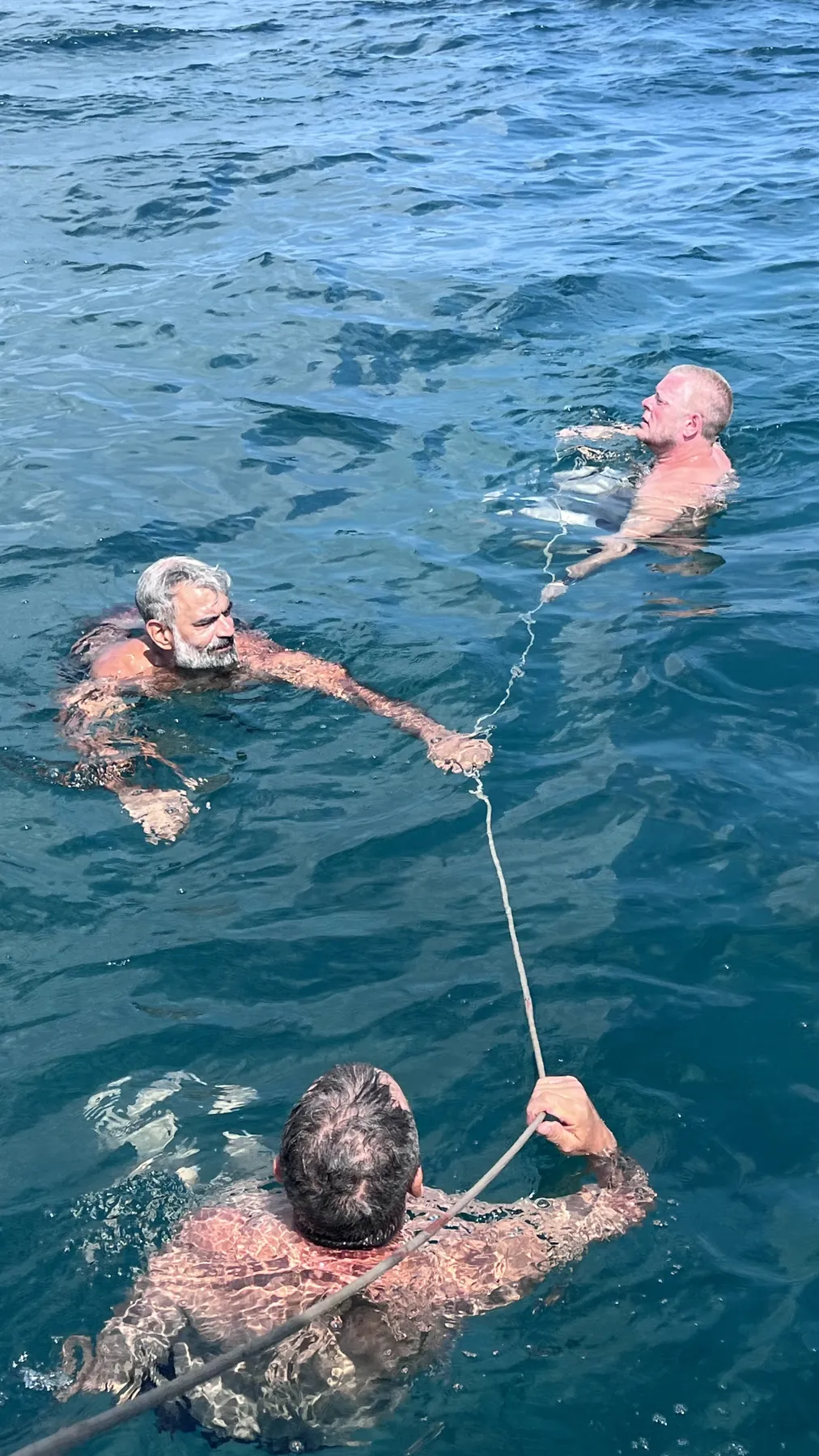 Weather policy & terms
What Should Anglers Bring?
The tropical sun is strong — particularly reflected off the sea — so sun protection matters most.
- Comfortable quick-drying clothing
- Hat or cap
- Polarised sunglasses
- Sunscreen
- Non-slip footwear
- Personal medication
- Drinking water
- Waterproof bag
- Camera or phone
- Light rain protection
- Motion-sickness medication, if required
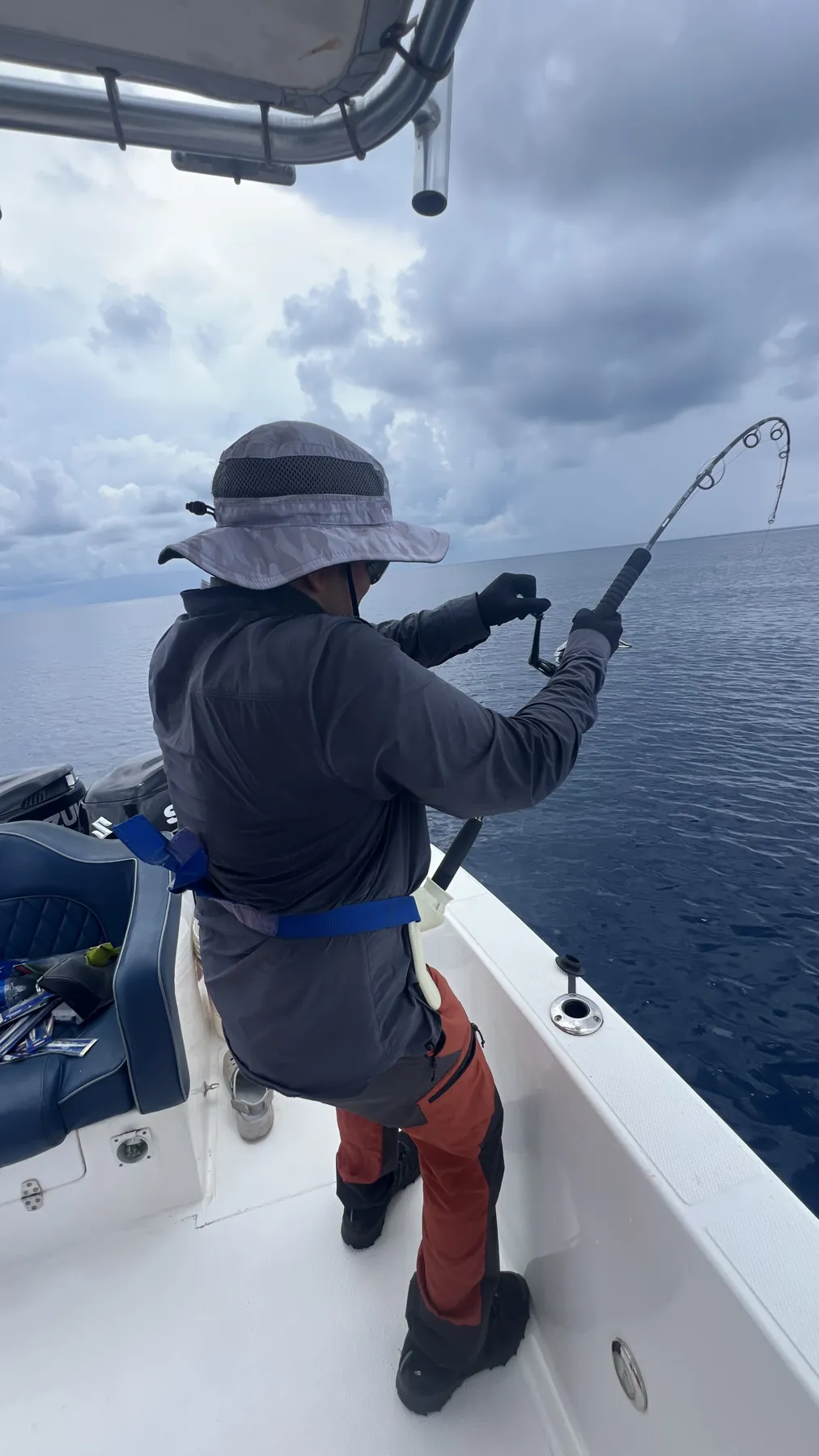 Travel info & what to pack
What Is a Typical Fishing Day Like?
A fishing day begins early. There is no fixed formula — some days bring several strikes, others long periods of searching. That uncertainty is part of fishing.
- Step 1
Early departure
The boat leaves the harbour or jetty and runs toward the chosen ground.
- Step 2
Reading the water
The crew watches for birds, baitfish, current lines and floating debris — signs of feeding activity.
- Step 3
Choosing the technique
On arrival the method is picked for the conditions — perhaps trolling first, then popping or jigging a reef.
- Step 4
Moving with the fish
If activity changes the crew moves again, and again — all day.
Fishing Is Not Always About the Catch
A successful day cannot always be measured in fish. For some anglers it is the sunrise from the boat; for others a remote reef, dolphins and seabirds, learning a new technique, or simply a day away from the mainland. And then there are the unforgettable moments when a big fish suddenly takes the lure — the excitement is never knowing what happens next.
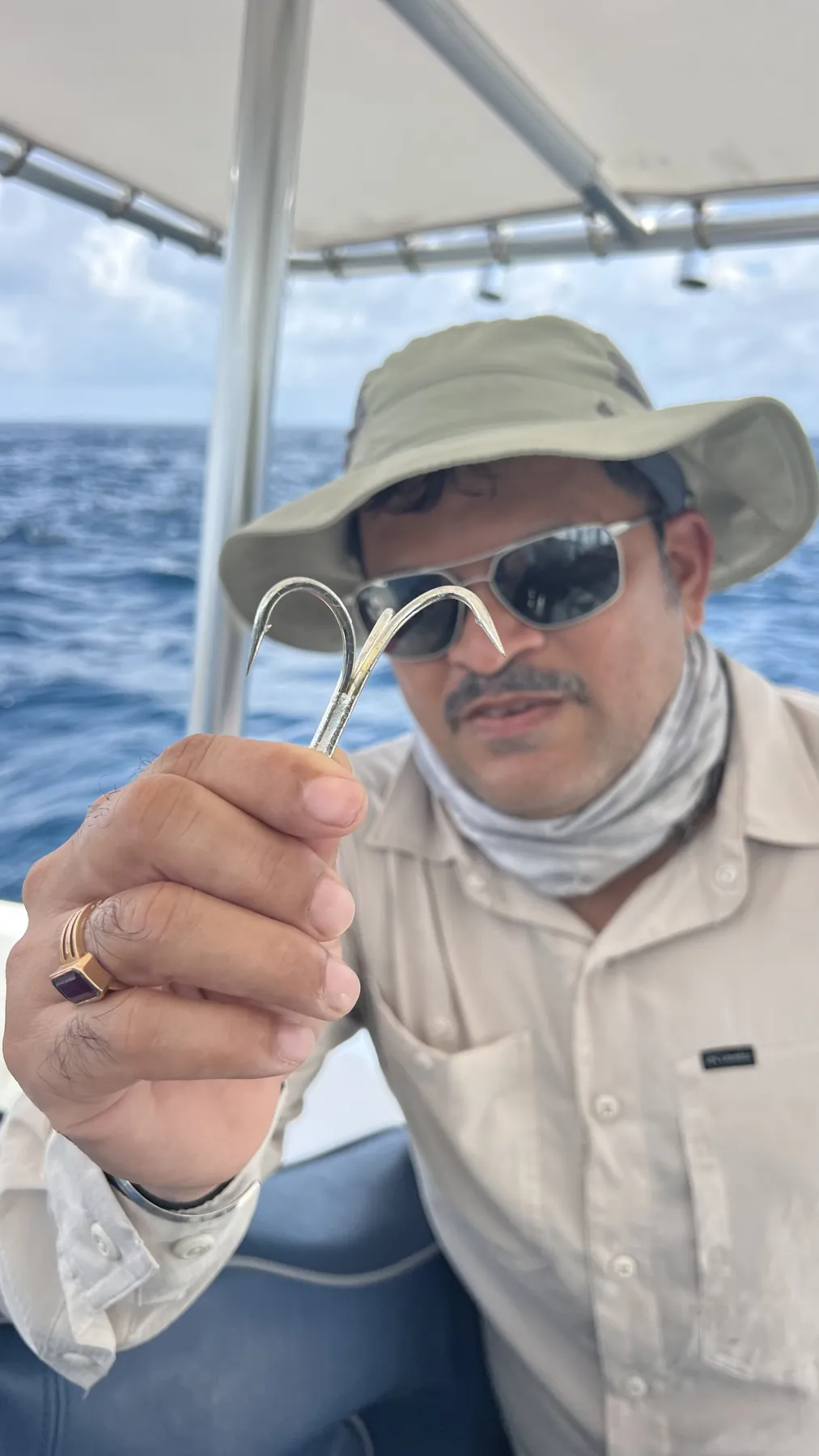 Sunrise in Andaman experience
The Andaman Fishing Experience
Sport, exploration and time at sea. Shallow coral reefs to deep offshore water, species that change from one ground to the next and techniques that change several times in a trip. For experienced anglers, the chance of powerful tropical predators; for beginners, an introduction to a completely different kind of fishing; for anyone who loves the sea, another way to experience the Andamans. No guaranteed catches, no two days the same.
 Plan your trip
You never know what is going to happen after the next cast.
Book Your Trip